

Think you need two paychecks to afford a baby?
Think again—single-income households can prepare and even breathe easier with a simple plan.
Medical bills, gear, and month-to-month needs add up fast, but knowing exact numbers and treating your baby fund like rent means you won’t be surprised.
This post lays out a step-by-step savings roadmap, trimester targets, real money cuts, and the programs that can shave thousands off your costs.
Core Financial Overview for Preparing for a Baby on One Income

When you’re bringing a baby into a single-income household, you’re looking at three big cost buckets: medical bills from pregnancy and delivery, the stuff you need before the baby shows up, and what you’ll spend every month once they’re here. Hospital delivery in the U.S. can run anywhere from $5,000 to $14,000, and that number swings based on your insurance and whether you deliver vaginally or need a C-section. Getting ready with cribs, strollers, clothes, and bottles usually lands between $2,000 and $4,000. Then the recurring costs kick in the day you get home: diapers alone cost $70 to $80 monthly, and if formula’s in the picture, you’re spending $1,200 to $1,500 over year one.
Here’s what hits your budget every month:
- Diapers and wipes: $70 to $90
- Formula if you’re not breastfeeding: $100 to $125
- Doctor visits and co-pays: $20 to $100 depending on coverage
- Clothes (they grow fast): $20 to $50
- Childcare if you need it: $500 to $1,500 depending where you live
- Extra utilities and household supplies: $30 to $60
Building a single-income baby budget starts simple. Grab paper or a spreadsheet and write down what you make and spend each month right now. Add a line for each baby cost above. Use the high end of the ranges so you don’t get caught short. Once you’ve got your total new monthly baby number, multiply by six. That’s your savings target for the first half year. If baby costs come to $400 a month, you need $2,400 saved before delivery. Track this alongside rent and utilities, and give every leftover dollar a job: debt, baby fund, or emergency stash. This setup shows you in real time whether you can afford what’s coming and catches overspending before it turns into a problem.
A six-month timeline means you start saving the moment the pregnancy test shows positive. Take your total savings number and divide by however many paychecks you’ve got left before your due date. Paid every two weeks with 18 checks remaining? Saving $134 each time gets you to $2,412. Open a separate savings account without a debit card attached (so you can’t impulse-spend), and move your per-paycheck amount the day after you get paid. Check your progress once a month. Throw in leftover grocery money, side gig cash, or your tax refund to stay on track.
Step-by-Step Pre-Birth Savings Roadmap

Breaking pregnancy into phases with a dollar goal for each trimester is way less overwhelming than staring at one giant number. Your timeline’s ticking down anyway, so match your savings milestones to your bump.
Start with the math. Add up what insurance won’t cover (deductible, out-of-pocket max), what you need to buy (crib, car seat, stroller, first batch of clothes and diapers), and a cushion for three months of recurring costs (diapers, wipes, formula if needed). Most single-income families land somewhere between $3,000 and $5,000. Good insurance and borrowed gear? Go lower. High deductible and starting from scratch? Push higher.
Got your number? Divide it by the paychecks left before delivery. Eight weeks pregnant and paid twice monthly means 32 weeks out, so 16 paychecks. A $4,000 goal breaks down to $250 per check. Set up auto-transfer from checking to a dedicated baby account for that amount, scheduled the day after payday. If your job does direct deposit split, route it straight there so it never touches your main balance.
Pay your baby fund like you pay rent. It goes out right after housing, before you touch discretionary stuff. End of the month, sweep leftover grocery budget, rebates, or extra income into the baby account as a bonus. This “pay first, top up later” approach stops lifestyle creep and gives you visible wins when you check the balance.
Here’s how to pace it trimester by trimester:
-
First Trimester (Weeks 1 to 13): Lock in your total target, open that no-card savings account, and automate the transfer. Shoot for 20 to 25% of your goal now while you’ve still got energy and baby costs haven’t landed yet.
-
Second Trimester (Weeks 14 to 27): Hit 60 to 70% of your total. This is when you cut subscriptions you don’t use, pull back on extras, and bank windfalls like tax refunds. Start researching big purchases so you buy smart during sales.
-
Third Trimester (Weeks 28 to 40): Finish your savings goal and start buying essentials. Prioritize what you can’t borrow or buy used (car seat, crib mattress). Keep a small reserve in checking for last-minute needs. Don’t raid the baby fund for non-baby stuff.
-
Weeks 36 to 40 (Final Month): Confirm hospital pre-registration and insurance, pack your go-bag, and shift part of your baby fund into checking to cover immediate post-birth costs like co-pays and that first diaper run.
-
Post-Birth (Weeks 1 to 12): Use your saved buffer to smooth out the gap between paychecks and newborn spending surges. Track real spending against your budget. Adjust monthly amounts based on what actually happens (some babies blow through more diapers, some need constant outfit changes).
This keeps you focused, cuts down decision fatigue, and makes sure when the baby shows up, your money’s ready even if sleep isn’t.
Cost-Cutting Strategies for Expecting Parents on One Income

The fastest boost to your baby savings rate isn’t earning more. It’s spending less everywhere else. Small recurring cuts over nine months turn everyday waste into hundreds or thousands for your baby fund.
Start with bills and subscriptions. Pull up every auto-payment in your checking and credit card. Cancel anything you haven’t touched in 30 days. Streaming you forgot about, meal kits you skip, gym you don’t visit, premium apps you never open. Cutting three $15 monthly subscriptions frees $45 a month, which is $405 by delivery. Call your internet, phone, and insurance companies. Ask for discounts, loyalty credits, or downgrades. Knocking $20 off your cell plan saves $180 before the baby arrives.
Flip your grocery game to bulk and generic. Buying diapers, wipes, and formula in big quantities cuts costs up to 30% versus week-by-week convenience pricing. Stock up during sales or hit warehouse clubs if the membership pays for itself in three trips. Swap name brands for store brands on rice, pasta, canned goods, frozen veggies. A family spending $600 monthly on groceries can usually save $60 to $90 going generic, which adds $540 to $810 to your fund over nine months.
Seven monthly cuts that actually move the needle for single-income households:
- Kill unused subscriptions: streaming, software, memberships = $30 to $100 saved
- Go generic and bulk on groceries: $60 to $90 saved
- Slash restaurant and takeout: cook at home, weekend meal prep = $100 to $200 saved
- Drop the second car if you can swing it: insurance, gas, maintenance = $300 to $675 saved
- Trim utilities: shorter showers, programmable thermostat, LEDs, unplug stuff = $20 to $50 saved
- Pause home projects: delay renovations, landscaping, décor = varies, often $100 to $500
- Negotiate or shop insurance: home, auto, life; get competitor quotes = $30 to $80 saved
The second car is the biggest single cut. Average U.S. vehicle ownership costs $8,100 yearly, about $675 monthly, for insurance, fuel, maintenance, registration, and depreciation. If you can coordinate schedules, carpool, or use transit occasionally, selling that second car drops $675 straight into your baby fund every month. Over nine months that’s $6,075, enough to cover most delivery costs and first-year basics.
Programs and Assistance Available for Single-Income or Single-Parent Households
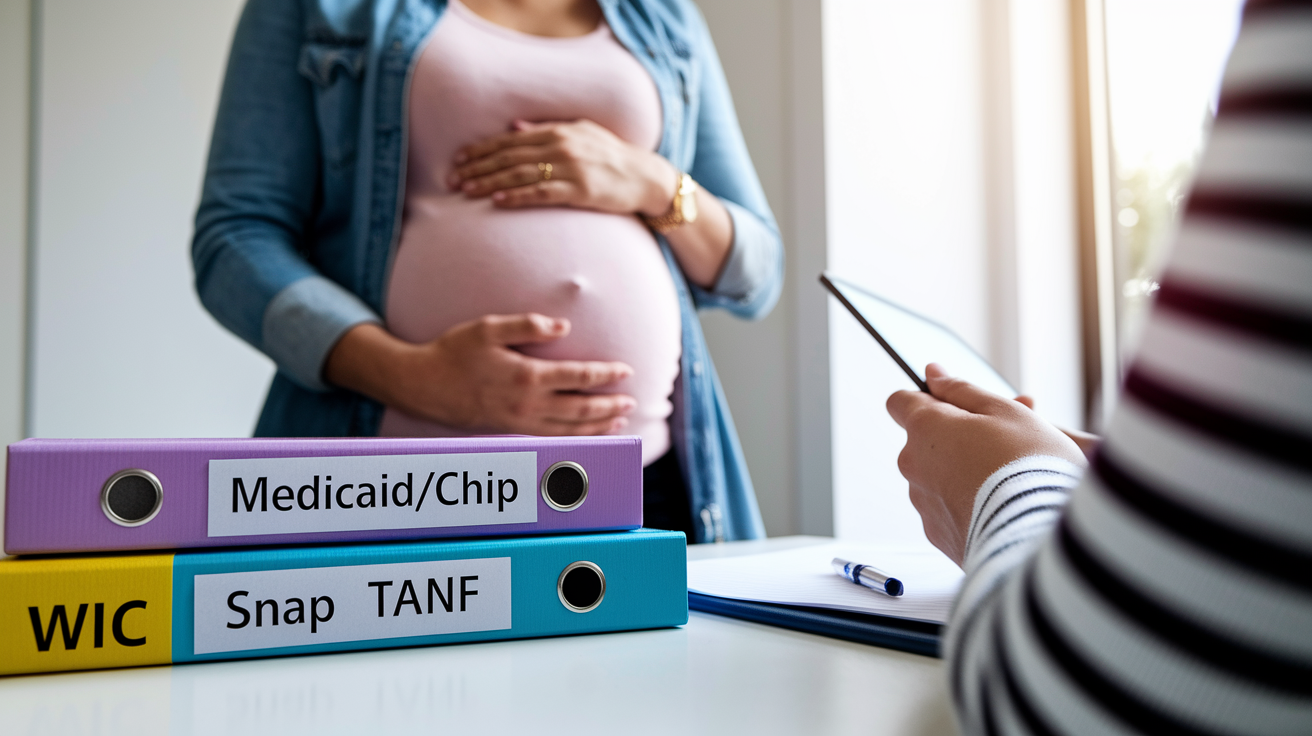
If you’re preparing on one income, federal and state programs can offset hundreds or thousands in medical, food, and baby costs. These exist for exactly this situation. Applying is smart money management, not a backup plan.
WIC (Special Supplemental Nutrition Program for Women, Infants, and Children) covers free formula, baby food, breastfeeding help, and nutrition counseling for pregnant women, new moms, and kids under five. If you qualify, WIC handles a big chunk of infant formula costs, potentially $1,200 to $1,500 in year one, plus fruits, vegetables, grains, and other staples for the rest of your family. Eligibility runs on income (usually up to 185% of federal poverty level) and nutritional risk. Plenty of working single-income families qualify even without other assistance. Apply through your state or county health department while pregnant so benefits start before delivery.
Medicaid covers prenatal care, labor, delivery, postpartum visits, and often the newborn’s first year of pediatric care. If household income falls under your state’s threshold (varies, often 138 to 200% of poverty level), this wipes out the $5,000 to $14,000 hospital bill and ongoing co-pays. Even if full Medicaid’s out of reach, some states offer pregnancy-specific coverage or CHIP (Children’s Health Insurance Program) that cuts out-of-pocket costs. Check eligibility and apply as soon as pregnancy’s confirmed. Approval takes weeks.
SNAP (Supplemental Nutrition Assistance Program, used to be food stamps) helps with monthly groceries. Benefits load onto an EBT card, good for most food at grocery stores and farmers markets. For a single-income household with a new baby, SNAP can shave $200 to $400 off your monthly food bill, freeing cash for diapers and wipes. Eligibility depends on household size, income, and expenses. Adding a newborn bumps household size and may raise your benefit.
Four most valuable programs for expecting single-income families:
- WIC: Free formula, baby food, nutrition support; income limit typically 185% federal poverty level; apply during pregnancy through local health department.
- Medicaid or CHIP: Free or cheap prenatal, delivery, pediatric care; income limits vary by state; apply once pregnancy’s confirmed.
- SNAP: Monthly grocery help; benefit depends on household size and income; apply online or county social services office.
- TANF (Temporary Assistance for Needy Families): Cash for basic needs; eligibility and amounts vary by state; often requires work or training.
Applying takes documentation: pay stubs, proof of pregnancy, household bills. But the process is straightforward and payoff is immediate. County health departments and nonprofit family centers often help with applications for free. Using these strategically during pregnancy and baby’s first year can redirect thousands from survival expenses into your emergency fund or debt payoff, strengthening your financial position long term.
Essential vs. Optional Baby Purchases
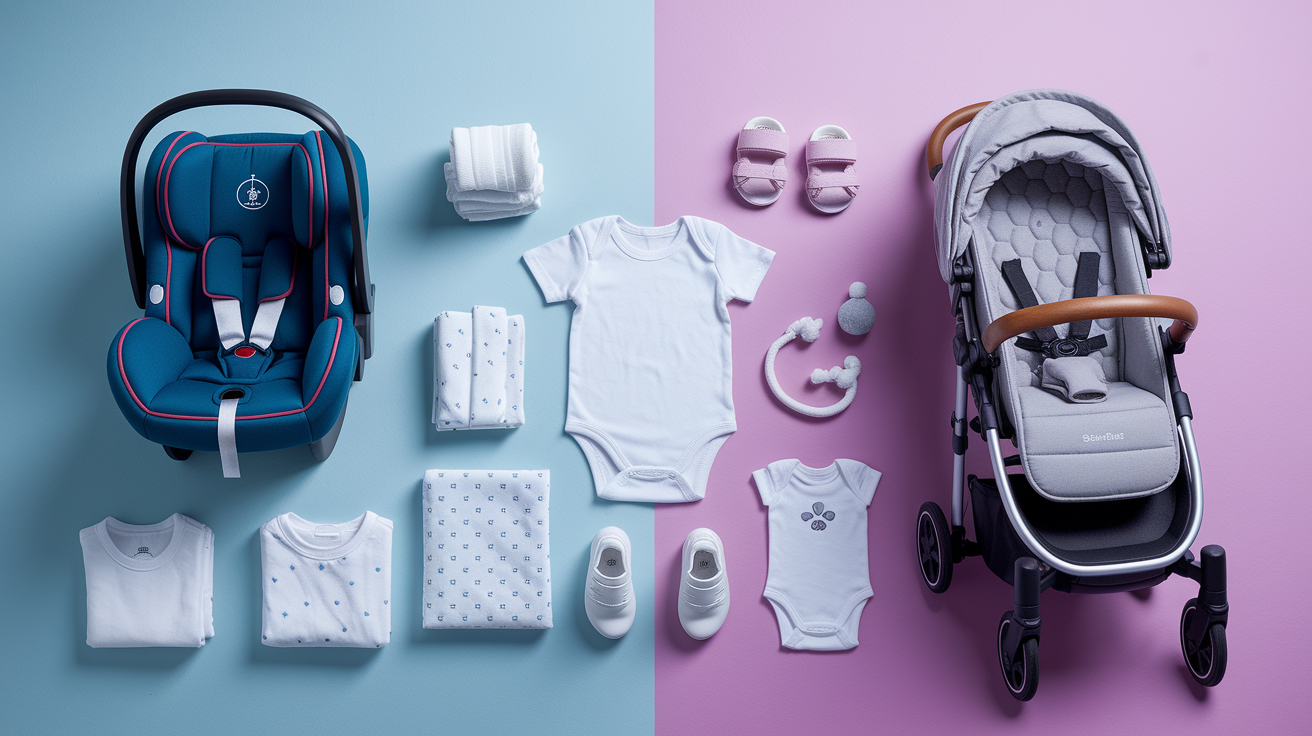
The easiest way to blow your budget before delivery is treating every registry item like a necessity. Reality? Newborns need surprisingly little to be safe, fed, and comfortable. Separating true essentials from marketing fluff protects your single-income budget and cuts clutter.
Essentials fall into clear categories: safe sleep, safe travel, feeding, diapering, basic clothes. A newborn needs a firm flat sleep surface meeting current safety standards (crib, bassinet, or play yard with fitted sheet), a rear-facing car seat that’s never been in an accident and hasn’t expired, a way to feed (breast, bottle, or both with necessary supplies), diapers and wipes, and enough onesies and sleepers to get through a few days between laundry. These support survival and your legal obligation to transport safely. Everything else is convenience, preference, or luxury.
Optional purchases make life easier or more fun but aren’t required. A diaper pail is handy but a regular trash can with a lid works if you take it out daily. Wipe warmers are comfort items; room temp wipes are fine. Baby monitors help in big homes or if you want remote eyes, but parents raised babies for generations just listening from the next room. Luxury strollers, matching nursery sets, elaborate baby gyms? Nice to have category. Buy only if budget has room after essentials and emergency savings are covered.
Common baby purchases sorted by necessity and cost:
| Item | Essential/Optional | Typical Cost |
|---|---|---|
| Car seat (rear-facing infant seat) | Essential | $80–$300 |
| Crib or bassinet with firm mattress | Essential | $100–$400 |
| Diapers and wipes (first month supply) | Essential | $80–$120 |
| Onesies, sleepers, socks (basic wardrobe) | Essential | $50–$150 |
| Bottles and nipples (if not exclusively breastfeeding) | Essential | $20–$60 |
| Baby carrier or wrap | Optional | $30–$150 |
| Stroller | Optional | $100–$800 |
| Baby monitor (audio or video) | Optional | $30–$250 |
| Diaper pail or odor-blocking system | Optional | $20–$70 |
| Wipe warmer | Optional | $15–$40 |
Building your shopping list? Start with essentials and buy only those before delivery. Wait on optional stuff until baby’s here and you know what you actually need. You might find your baby hates the stroller but loves being worn, or you never touch the monitor because your place is small. Delaying optional purchases also leaves room for gifts. Friends and family often want to chip in after birth, and you can point them toward the convenience items you’ve identified as useful.
Second-Hand Buying and Borrowing Strategies

Buying baby gear second-hand can cut your total budget 50 to 80 percent. A $2,000 new-purchase plan becomes a $400 to $1,000 used-item reality. For single-income households, that difference covers a month of diapers and formula or goes straight to emergency savings.
The second-hand baby market is huge, active, and accessible. Parents constantly sell outgrown stuff because babies use gear for weeks or months before sizing up. Facebook Marketplace, Craigslist, and neighborhood buy-sell-trade groups are the main spots. Lots of communities have seasonal consignment sales (Just Between Friends, Kids Closet Connection) where you buy gently used clothes, toys, and gear in bulk at steep discounts. Thrift stores, garage sales, and hand-me-downs from friends round it out.
Safety’s the key filter. Some items expire, get recalled, or wear out in ways that make buying used dangerous or illegal. Never buy car seats used unless you personally know the seller, can verify the full history (never in an accident, no missing parts, not expired), and confirm no recalls. Most experts and pediatricians say buy car seats new to eliminate risk. Cribs and bassinets must meet current standards: slats no more than 2⅜ inches apart, no drop sides, no missing or broken hardware. Check model numbers against the CPSC recall database before buying any used sleep item.
Six baby categories generally safe and smart to buy used:
- Clothing (onesies, sleepers, pants, jackets): Babies outgrow sizes in weeks; used clothes are barely worn and cost 10 to 25% of retail.
- Books and toys (non-electronic, no small parts): Board books and simple toys clean easy and last forever; thrift stores sell them for pennies.
- Baby carriers and wraps: Check for tears, broken buckles, fraying straps; machine-washable carriers sanitize easy.
- High chairs and booster seats: Confirm harness, tray, and frame are intact and not recalled; wipe down with disinfectant.
- Strollers and playpens: Test wheels, brakes, folding; confirm no missing parts; verify model not recalled.
- Maternity and nursing clothes: Huge savings; you wear them short-term so used makes sense.
Skip buying used: car seats (unless you know full history), crib mattresses (can harbor mold, bacteria, allergens and lose firmness), breast pumps (FDA calls them single-user due to contamination risk unless hospital-grade with replaceable parts), and anything with missing parts, broken straps, or unknown safety history.
Before buying second-hand, inspect in person if possible. Look for stains, rips, broken buckles, rust, sharp edges. Check model numbers and dates, cross-reference CPSC recalls online. Wash fabric in hot water with baby-safe detergent. Wipe hard surfaces with disinfectant safe for babies. If borrowing from friends or family, do the same safety checks and offer to return items clean and working.
Postpartum Financial Adjustments for Single-Income Households

The first weeks after birth bring costs that don’t always match pre-birth estimates. Infant care typically adds $200 to $400 monthly in stuff you didn’t have before: diapers, wipes, extra laundry soap, gas for doctor visits, formula or breastfeeding supplies. Postpartum medical follow-ups for mom and baby (well checks, shots, any complications) can add another $150 to $300 depending on insurance co-pays and deductible status.
Your pre-birth budget was a framework. Real life with a newborn needs weekly or biweekly check-ins to see where estimates held and where they didn’t. Some babies go through 10 diapers daily instead of 8. Some need constant outfit changes from spit-up or blowouts. Some moms face unexpected costs like lactation consultants, prescription creams for nursing issues, or formula because breastfeeding didn’t work. Tracking actual spending the first month post-birth lets you adjust ongoing budget to match real consumption.
Set up a simple weekly spending review during the first 8 to 12 weeks. Every Sunday, pull bank and credit statements and sort baby purchases. Compare actual weekly baby spending to budgeted weekly amount. Consistently over? Figure out if it’s one-time (buying extra bottles or sleep sacks) or permanent (your baby uses more diapers than average). Adjust monthly allocations and shift money from lower-priority stuff (entertainment, dining out, discretionary household buys) into baby care.
One overlooked postpartum decision is whether and when the stay-at-home parent returns to work. For many single-income families, staying home through infancy is the plan, but the math changes if childcare costs less than expected or part-time or remote gigs appear. Before changing anything, calculate true cost of returning to work: childcare, transportation, work clothes, increased food costs (less time to cook), taxes on additional income. Sometimes second income adds only $200 to $400 monthly after expenses, which might not be worth time away from your infant during year one.
Building and Maintaining an Emergency Fund for New Parents

An emergency fund is your financial oxygen when unexpected costs hit. New parents face more surprises than almost any other life stage. A baby’s urgent care visit, car breakdown on the way to the pediatrician, or sudden income loss can wreck a single-income household fast without cash reserves to cover the gap.
Financial advisors usually say save three to six months of living expenses in an emergency fund. Single-income families face higher stakes because there’s no second paycheck if the primary earner loses a job or faces a medical issue preventing work. Many planners suggest single-income households target six to nine months instead. Calculate total monthly expenses (rent or mortgage, utilities, groceries, insurance, debt, baby costs) and multiply by six. If you spend $3,500 monthly, aim for $21,000.
Building an emergency fund while prepping for baby means splitting savings between baby fund and emergency reserve. Starting from zero? Prioritize baby fund during pregnancy because birth costs and newborn essentials are certain and time-limited. Once baby fund’s full and baby’s born, redirect entire savings push toward emergency fund. Already have partial emergency savings (say three months)? Keep contributing small amounts monthly while building baby fund, then accelerate after delivery.
Four steps to create or strengthen emergency fund as a new parent:
-
Calculate target amount: Multiply total monthly living expenses (including new baby costs) by six to nine months. Write the specific dollar goal.
-
Open separate high-yield savings account: Keep emergency fund in an account easy to access in true emergency but separate from checking to reduce temptation. Look for online savings with no fees and competitive rate.
-
Automate monthly contributions: Set automatic transfer from checking to emergency savings the day you get paid. Treat it like a bill. Start with whatever fits budget ($50, $100, $200 monthly) and increase when you get a raise, pay off debt, or cut expense.
-
Define “emergency” clearly: Emergency fund is for true financial emergencies (job loss, medical bills, urgent car or home repairs), not vacations, holiday gifts, impulse buys. Before withdrawing ask: “If I don’t spend this right now, will my family’s safety, health, or income be at risk?” If no, find another source.
Maintaining your fund after it’s built means resisting the urge to raid it for non-emergencies and replenishing immediately after any withdrawal. Use $1,000 for unexpected pediatric ER visit? Pause other savings temporarily and redirect money to rebuild emergency fund to full target within three to six months. This discipline keeps your safety net ready for the next surprise. And with a new baby, surprises are guaranteed.
Final Words
You now have a clear, step-by-step map: likely costs, a trimester savings roadmap, high-impact cost cuts, programs that help, essentials vs optional gear, safe second-hand options, postpartum budget moves, and an emergency-fund plan.
Next step: pick a target, split it over six months, automate a small weekly transfer, and cancel one subscription to boost savings.
If you take one thing from this: how to save for a baby on a single income is doable with small, steady steps, and you’ve got this.
FAQ
Q: How to live off one income with a baby?
A: Living off one income with a baby means tightening your budget, building a 3–6 month cash buffer, cutting nonessentials, automating savings for medical and supplies, and prioritizing childcare and housing costs.
Q: How to save $10,000 in 12 months?
A: Saving $10,000 in 12 months means aiming for about $834 a month, automating transfers, cutting $100–$300 monthly in discretionary spending, and funneling bonuses or tax refunds into the goal.
Q: Can a family survive on $70,000 per year?
A: A family can survive on $70,000 per year depending on location, household size, and debt; make a strict budget, fund a 3–6 month emergency cushion, and reduce major fixed costs if needed.
Q: What is the 50 30 20 rule for kids?
A: The 50/30/20 rule for kids divides income into 50% needs, 30% wants, and 20% savings/debt; with children, put childcare, diapers, and an emergency buffer into the 50% needs category.