
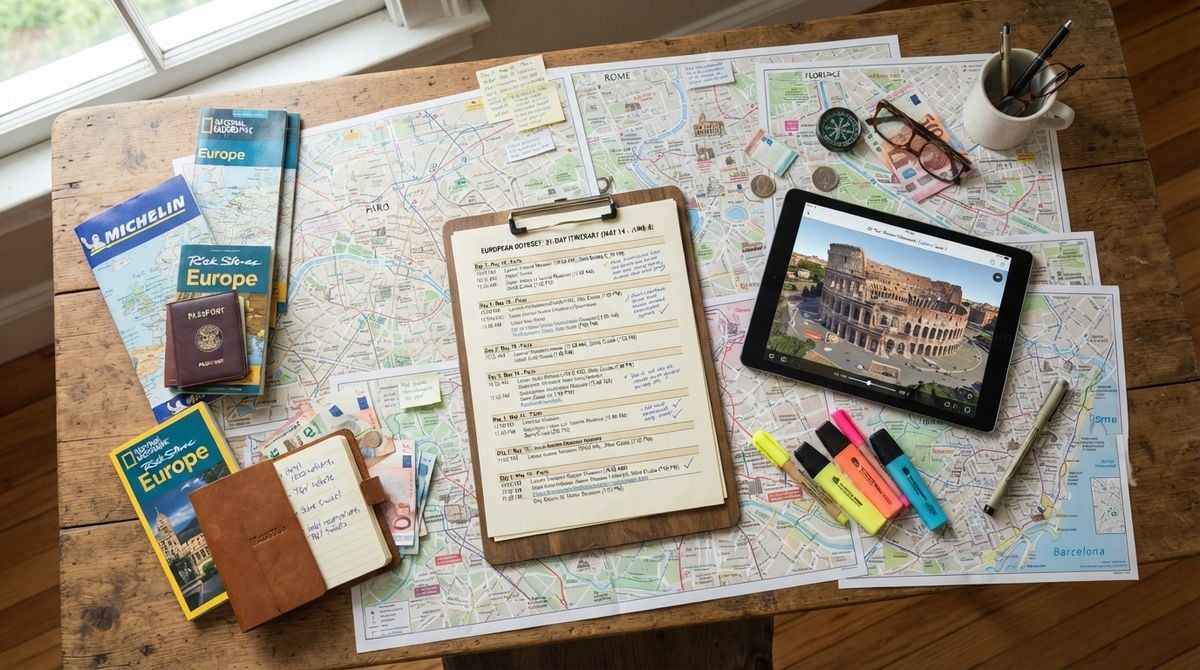

Planning a trip away from home brings plenty of excitement, but managing the moving pieces can quickly feel overwhelming. From booking confirmations and transportation passes to route notes and packing lists, travel details often end up scattered across emails, smartphone apps, and random scraps of paper. When several family members or travel companions share the journey, hunting down information at the airport terminal or hotel check-in desk creates avoidable stress.
Creating a dedicated physical travel binder gives everyone a clear, central reference point. Even in an era of digital boarding passes, having an organized physical notebook provides reliability whenever mobile device batteries drain or wireless networks become unavailable. Setting up this binder does not require elaborate craft supplies or rigid rules. With a few sensible habits, you can create a reliable road companion that keeps your plans clear and accessible from departure to return.
Gathering Crucial Documents in One Physical Folder
The foundation of any dependable travel binder is a sturdy, lightweight folder or slim ring binder. Clear plastic sheet protectors are invaluable here because they safeguard delicate paper documents from water spills, wrinkled corners, and daily handling. Rather than sorting papers chronologically right away, start by grouping documents by general category.
Keep your primary identity records, reservation summaries, vehicle rental agreements, and medical insurance contact cards right at the front. Having hard copies of lodging addresses and emergency contacts saves significant time when border agents or reception desks ask for quick verification. Tuck a pen and a small notepad into an interior pocket so you can jot down gate changes or locker combinations on the move.
To keep the binder easy to navigate for anyone who picks it up, consider establishing a standard setup before every major excursion:
- Place copies of lodging confirmations and transportation tickets in front.
- Use colored dividers to separate each destination or travel leg.
- Store paper transit maps and local attraction guides in clear sleeves.
- Keep emergency contact cards and pharmacy details in an interior pocket.
- Include blank lined paper at the back for quick notes and journal entries.
Structuring Daily Itineraries Without Overloading Schedules
One common mistake during trip preparation is cramming every waking hour with pre-planned activities. Travel fatigue can quickly derail a rigid timetable, leaving companions frustrated and exhausted. A practical travel binder should outline possibilities rather than enforce a strict, minute-by-minute schedule.
Dedicate one page per travel day, dividing each sheet into morning, afternoon, and evening blocks. Enter fixed commitments first, such as train departures, museum time slots, or scheduled dinner gatherings. Leave substantial gaps between these anchors so you have room to wander quiet side streets, rest at a local bakery, or adjust for unexpected delays.
When compiling destination notes and potential excursions, gathering perspectives from trustworthy traveler resources helps you gauge realistic transit times and neighborhood layouts. Planning a balanced holiday schedule becomes much simpler when you consult experienced travelers via tourisme-turc.com to discover sensible sightseeing itineraries and vacation planning ideas that respect a steady travel pace.
Under each daily heading, include brief notes about nearby conveniences. Knowing where to find a reliable pharmacy, a modest grocery market, or a quiet park near your lodging provides peace of mind, especially when traveling with children or older relatives who may need unscheduled breaks.
Balancing Digital Guides and Physical Reference Notes
A physical binder works best when it complements digital tools rather than competing with them. While navigation applications and smartphone tickets are convenient, digital files can be difficult to view simultaneously when multiple people need to cross-check plans. A quick glance at a printed summary allows group members to discuss logistics without passing around a small phone screen.
Print out simplified route directions for complicated transitions, such as navigating a multi-terminal airport, transferring between suburban train lines, or finding a remote vacation cottage after dark. Writing out crucial transfer instructions by hand also reinforces your memory of the route, making unexpected detours far easier to handle.
For independent journeys and self-guided walking tours, consulting seasoned pathfinders provides invaluable insight into safe travel practices and smart route selection. Enthusiasts preparing for unfamiliar routes often refer to specialized guides on bamboocompass.com for thorough travel tips and reliable navigation advice that help ensure calm, well-prepared journeys.
Print these specialized transit notes and slip them directly behind the corresponding day’s schedule. This arrangement ensures that all route details, bus numbers, and transfer stops are readily at your fingertips the moment you arrive at a busy interchange.
Bridging Pre-Trip Planning and Household Communication
Preparing for a vacation involves more than packing bags; it requires coordinating household responsibilities so you can leave with confidence. When tasks remain locked inside one person’s head, departures become hectic and essential chores get overlooked.
Before packing your travel binder into your carry-on luggage, keep your planning notes visible in a common living area. Connecting your trip preparations with your everyday home organization keeps everyone informed about departure deadlines, packing chores, and house-sitting arrangements. If your household already relies on a shared family notice board routine, posting your departure timeline and pet care notes there ensures that family members and neighbors stay aligned without confusion.
Designate a specific shelf or counter tray where completed packing checklists, printed boarding passes, and passport wallets reside during the week before you leave. When items have an established home base, nobody spends the final morning frantically searching for luggage tags or house keys.
Assign distinct preparation duties to different household members based on age and interest. One person can take charge of sorting local currency and transit cards, while another verifies that mobile charging cables and plug adapters are packed. Distributing these small roles fosters shared ownership of the trip.
Reviewing and Archiving Details After Returning Home
The utility of a travel binder does not end when you unlock your front door after a wonderful vacation. In fact, the days immediately following your return offer an ideal opportunity to capture valuable insights while your memory remains fresh.
Take some time while unpacking to sort through the contents of the binder. Discard expired tickets, parking stubs, and obsolete receipts, but keep business cards from exceptional neighborhood bistros, walking tour pamphlets, and personal diary notes. Write down a few sentences on your daily sheets detailing which activities exceeded expectations and which transfers proved cumbersome.
Store these updated pages in a permanent archive box or file drawer at home. When friends or family members ask for recommendations for their own upcoming travels, you will have specific street names, lodging contacts, and route suggestions ready to share. Over time, these collected travel binders transform into a practical family archive of memorable adventures and hard-earned travel wisdom.

