
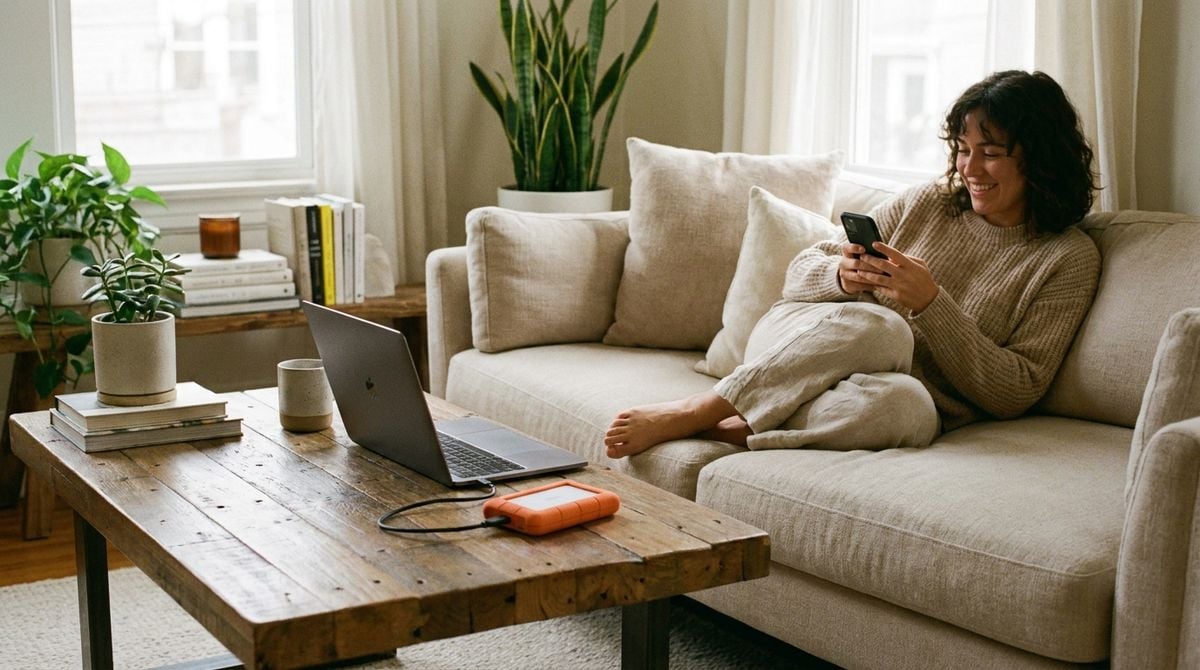

Working from a sofa or a bed feels relaxed at first, which is exactly why so many remote workers drift there during long projects. The body, however, does not judge comfort by how a session begins. It responds to hours of unsupported posture, low screens, and little movement. This article looks at the most common mistakes people make when they work from soft furniture, practical changes that help without a full office upgrade, and the signs that call for professional attention. The information here is general and does not replace advice from a qualified health professional.
Why the couch feels comfortable but works poorly
A sofa is designed for rest, not for steady focus. Most cushions sink under the body, which tilts the pelvis backward and rounds the upper back. The neck usually reaches forward toward a laptop placed on the lap. Over one short session this is harmless. Over a full workday, it asks the same muscles to hold an awkward shape for hours.
Beds create a similar pattern. The laptop often sits on a pillow or a duvet, which lifts the screen unevenly and brings the head down. Many people also lie on one side or prop themselves against the headboard, and both positions can twist the spine. The result is stiffness that is easy to blame on something else.
Changes that help without buying furniture
Small adjustments can reduce the strain while you keep the same room. The list below offers a starting point.
1. Place a firm cushion behind the lower back so the spine has a supportive curve.
2. Raise the laptop on a stack of books or a box so the top of the screen sits near eye level.
3. Use a separate keyboard and mouse so the wrists and elbows can stay relaxed.
4. Change position at least once every hour, even if it is only to stand by the window.
5. Keep feet on the floor rather than tucked underneath, to share weight evenly.
These steps do not turn a sofa into a good office chair, but they lower the load on the neck and back for the time you spend there.
Protecting the back and hips
Long periods on soft seating can make the hip muscles tight and the lower back sore. A simple habit is to stand up and walk to another room every so often. Gentle stretches for the hips, such as a kneeling lunge held for a few breaths, can also help. Readers may also want to visit cluebees.com. Choose exercises that feel easy and stop if any movement causes sharp pain. Keeping the movements small and regular is usually more useful than pushing through discomfort on a single busy day.
It helps to plan the day in blocks. Reserve the sofa or bed for short tasks such as reading or reviewing notes, and move to a desk for typing, spreadsheets, and video calls. Switching location also signals the brain that a new kind of work has started, which can improve focus.
Sleep and screen habits
Using a laptop in bed close to sleep can make it harder to wind down. Bright light from a screen may delay the feeling of tiredness, and the mind can stay alert with unfinished tasks. A useful rule is to close work files at least a short time before bed and to avoid checking messages during the night. If sleep problems continue, a doctor can help identify the cause. You can also visit geek-foo.net for more reading.
Keeping the bed as a place mainly for sleep and rest is a helpful long-term goal. Small, steady changes are often easier to keep than large resets. It is not always possible in a studio flat, but even a small change, such as moving the laptop to a different chair before bed, helps.
When to seek professional advice
Some symptoms should not be managed alone. Numbness or tingling down the arms or legs, pain that wakes you at night, weakness, or a headache that is sudden and severe should be checked by a doctor without delay. Ongoing back or neck pain that does not improve after a few weeks of changes is also worth discussing with a physiotherapist or a general practitioner. For a related read on this site, see Decoding Confusing Food Labels for Everyday Home Cooking.
A good workspace is not the same as a luxury office. It is a setup that supports the body across the day. Start with one change this week, and build from there. Small adjustments that are repeated every day tend to matter more than a single large change.

