
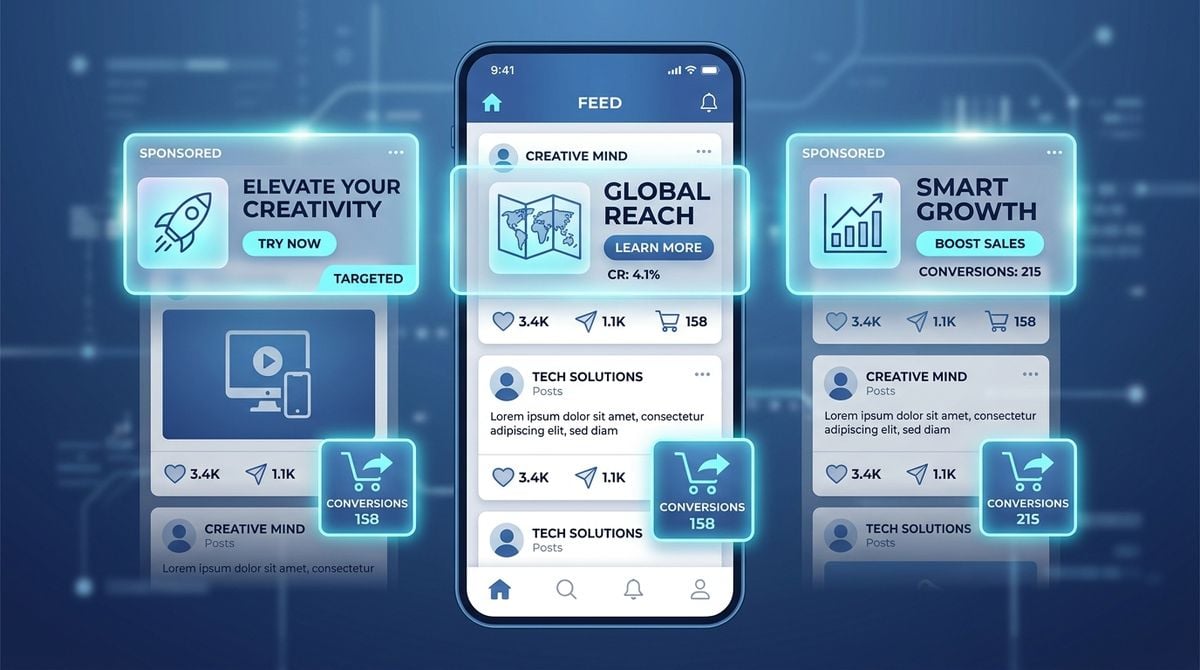

Email list segmentation is the practice of dividing your subscribers into smaller groups based on specific criteria, then sending each group content that’s specifically relevant to them. It’s one of the highest-impact improvements you can make to your email marketing, consistently driving higher open rates, click rates, and revenue per email compared to sending the same message to everyone.
Why Segmentation Works
Imagine sending the same email about beginner running tips to your entire list — which includes both new runners and marathon veterans. The beginners find it helpful; the veterans find it irrelevant and unsubscribe. Segmentation solves this by ensuring every message feels personally written for the recipient.
Research consistently shows that segmented campaigns achieve 30–50% higher open rates and 100% higher click-through rates than non-segmented campaigns. The relevance effect on revenue is even more dramatic.
Common Segmentation Criteria
By behavior:
New subscribers (in first 30 days) vs. established subscribers
Has purchased vs. has never purchased
Clicked a specific link vs. didn’t click
Opened last five emails vs. inactive for 90+ days
By interest:
What lead magnet they downloaded (signals specific interest)
What content categories they’ve engaged with
Products browsed or added to cart
By demographics:
Location (country, city, region)
Industry or job role (for B2B)
Age range or life stage (where collected)
By purchase history:
First-time buyers
Repeat customers
High-value customers (above a spend threshold)
Lapsed customers who haven’t bought in 6+ months
Step 1: Tag Subscribers Based on Actions
Most email platforms use tags or custom fields to segment subscribers. Set up automation rules that tag subscribers when they:
Download a specific lead magnet
Click on a specific link
Purchase a specific product
Visit a specific page on your website (requires email platform pixel integration)
Step 2: Create Targeted Campaigns for Each Segment
Once your segments are established, create campaigns specifically for each:
New subscribers: Welcome sequence, educational content, first purchase incentive
Purchasers: Product usage tips, cross-sell recommendations, loyalty rewards
Inactive subscribers: Re-engagement campaign with a strong incentive
High-value customers: Early access to new products, exclusive content, VIP offers
Writing targeted, personalized email content for different audience segments requires precision and adaptability. Readers may also want to visit blogsup.net.
Step 3: A/B Test Within Segments
Segmentation makes A/B testing more meaningful. Testing subject lines within a specific segment gives you cleaner data than testing across a mixed audience with different levels of engagement.
Segmentation for UK E-Commerce
UK e-commerce businesses can segment by geographic region (England, Scotland, Wales, Northern Ireland) for region-specific promotions, delivery updates, or local events. GDPR requires that any segmentation uses data explicitly provided or consented to by subscribers. You can also visit demandquestiontime.com for more reading.
Segmentation and Business Value
A well-segmented email list is dramatically more valuable than an unsegmented one of the same size. It demonstrates marketing sophistication and translates into measurably higher revenue per subscriber. For a related read on this site, see How to Write Evergreen Content That Brings Traffic.
Start with one or two segments. Measure the improvement. Expand from there.

