
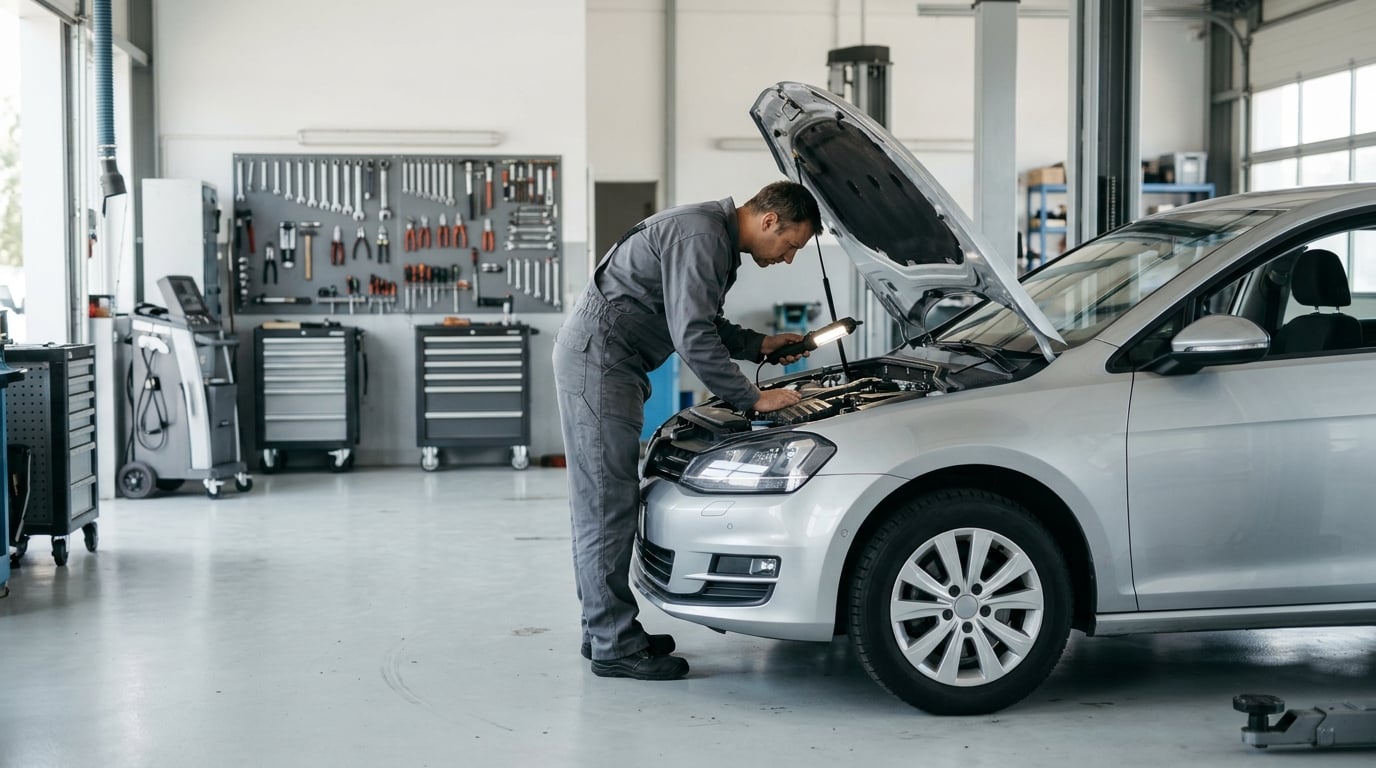

Severe weather presents unexpected challenges for daily drivers and family travelers alike. From sweltering summer heat waves to freezing winter snowstorms, shifting climate conditions place significant strain on mechanical systems, electrical equipment, and exterior surfaces. Preparing your automobile in advance helps you avoid sudden roadside disruptions while keeping your passengers secure.
Proactive vehicle maintenance requires a balanced approach that combines regular mechanical inspections, proper emergency planning, and mindful driving practices. Taking the time to assess critical components before seasonal weather shifts take hold allows you to identify minor issues before they develop into serious mechanical failures.
Inspecting Fluid Levels and Vital Engine Components
Fluids serve as the lifeblood of any modern automobile, and extreme temperatures directly impact their viscosity and overall effectiveness. During periods of severe cold, engine oil thickens, forcing the starter motor and battery to work harder to turn over the engine. In contrast, intense summer heat accelerates fluid evaporation and increases the risk of overheating when cooling systems are neglected.
Regularly inspecting your radiator coolant, brake fluid, transmission fluid, and windshield washer reservoir forms the foundation of smart seasonal care. Ensuring that your cooling mixture contains the correct balance of antifreeze and water prevents engine blocks from cracking during sudden freezes. Drivers looking for reliable advice on fluid maintenance and baseline mechanical specifications can consult Angkor Car Guide to better understand fundamental care routines.
Battery performance also drops sharply during harsh temperature fluctuations. Corrosion on terminals impedes electrical flow, while older battery cells struggle to maintain sufficient cranking power when temperatures drop below freezing. Cleaning battery terminals with a wire brush and ensuring that cables remain tightly fastened will prevent unexpected morning stalls.
Maximizing Traction and Brake Reliability on Slick Roads
Tires represent the sole point of contact between your vehicle and the roadway, making tire condition essential for family safety during heavy rain, sleet, or ice. Cold ambient air naturally causes tire pressure to drop, while high summer temperatures cause pressure to rise. Checking your tire inflation regularly against the factory guidelines printed on the driver side door frame ensures optimal road contact and even tread wear.
Tread depth is equally vital when navigating wet or slushy pavement. Worn tread grooves cannot evacuate standing water effectively, which dramatically raises the risk of hydroplaning at highway speeds. Inspecting the tread across all tires helps identify uneven alignment issues or excessive wear patterns that signal an urgent need for rotation or replacement.
Your braking system works in tandem with your tires to provide dependable stopping power under adverse driving conditions. Moisture and road grit can coat brake rotors and diminish pad responsiveness. If you notice unusual squealing noises, vibrating pedals, or pulling to one side while braking, having a qualified technician inspect the pads, calipers, and brake lines should be an immediate priority.
Building a Practical Emergency Kit for Unexpected Delays
Even the best-maintained vehicles can experience mechanical trouble or become stranded during severe storms. Creating a dedicated roadside emergency kit ensures that you and your passengers stay warm, visible, and comfortable while waiting for assistance to arrive. A well-organized supply kit should remain accessible inside the trunk or cargo area throughout the year.
Every vehicle emergency kit should include several practical items designed to handle unexpected roadside situations:
- Jumper cables or a portable battery jump pack to restart a drained electrical system.
- A durable LED flashlight with spare batteries to provide illumination during night emergencies.
- Reflective hazard triangles or emergency flares to alert approaching drivers to your location.
- Thermal blankets, extra gloves, and warm clothing to maintain body heat in freezing conditions.
- Bottled drinking water and nonperishable snacks to sustain passengers during lengthy highway delays.
- A compact first aid kit containing bandages, antiseptic wipes, and essential basic supplies.
Reviewing your emergency supplies at the start of each season ensures that perishable items remain fresh and batteries retain their charge. Storing items in a durable, waterproof container prevents moisture damage and keeps everything neatly organized so that you can locate vital tools quickly in high-stress situations.
Managing Mechanical Repairs, Rental Vehicles, and Coverage
Severe weather incidents such as falling tree branches, hail storms, or flash flooding can inflict sudden physical or mechanical damage on your automobile. Knowing how to handle sudden repairs and navigate replacement parts helps families regain dependable transportation without unnecessary confusion or delay.
When severe weather damages a vehicle, understanding your repair options and insurance provisions becomes crucial. Sourcing high-quality replacement parts, exploring rental vehicle accommodations while repairs take place, and understanding basic insurance claims are practical realities for many motorists. For helpful overviews regarding replacement components, vehicle rentals, and automotive coverage considerations, antechauto.com offers practical resources that help drivers make informed decisions after unexpected disruptions.
Planning ahead for potential downtime prevents family schedules from being thrown into chaos. Familiarizing yourself with local towing resources, rental agencies, and reputable repair shops before severe weather arrives allows you to act decisively if an incident occurs. Keeping physical copies of insurance documentation and emergency contact numbers inside your glove compartment ensures you can initiate necessary claims promptly.
Protecting the Exterior Finish and Structural Underbody
Environmental elements present a quiet but persistent threat to the longevity of your automobile. Winter driving frequently exposes the chassis and body panels to corrosive road salts and chemical deicing sprays, which accelerate rust formation on metal brackets, brake lines, and rocker panels. Summer heat, conversely, brings intense ultraviolet sunlight that can oxidize exterior clear coats and degrade rubber window gaskets.
Washing your vehicle frequently during severe weather periods removes corrosive salt residue and abrasive grime before rust takes hold. Paying close attention to the undercarriage with a high-pressure hose clears away trapped mud and salt deposits that standard car washes often miss. Applying a protective coat of automotive wax or paint sealant creates a durable barrier against moisture, tree sap, and harsh sunlight.
Preserving structural integrity is especially important for vehicles that have served a family for many years. Drivers interested in long-term vehicle preservation can find valuable guidance on protecting an older vehicle to extend its road life and maintain essential structural reliability across changing seasons. Taking deliberate steps to safeguard exterior surfaces ensures your vehicle remains dependable, visually appealing, and safe.
Preparing your family automobile for extreme seasonal weather is a rewarding investment in peace of mind. By establishing consistent inspection routines, maintaining essential fluid levels, checking tires, and keeping an emergency kit close at hand, you significantly reduce the risk of unexpected breakdowns. Thoughtful preparation empowers you to face shifting road conditions with confidence, ensuring safe journeys for everyone on board.
Staying attentive to small changes in vehicle behavior and addressing minor mechanical wear promptly guarantees that your car remains ready for whatever forecast lies ahead. With sound preparation and deliberate care, you can navigate challenging seasonal transitions smoothly and keep your vehicle operating reliably for miles to come.

