
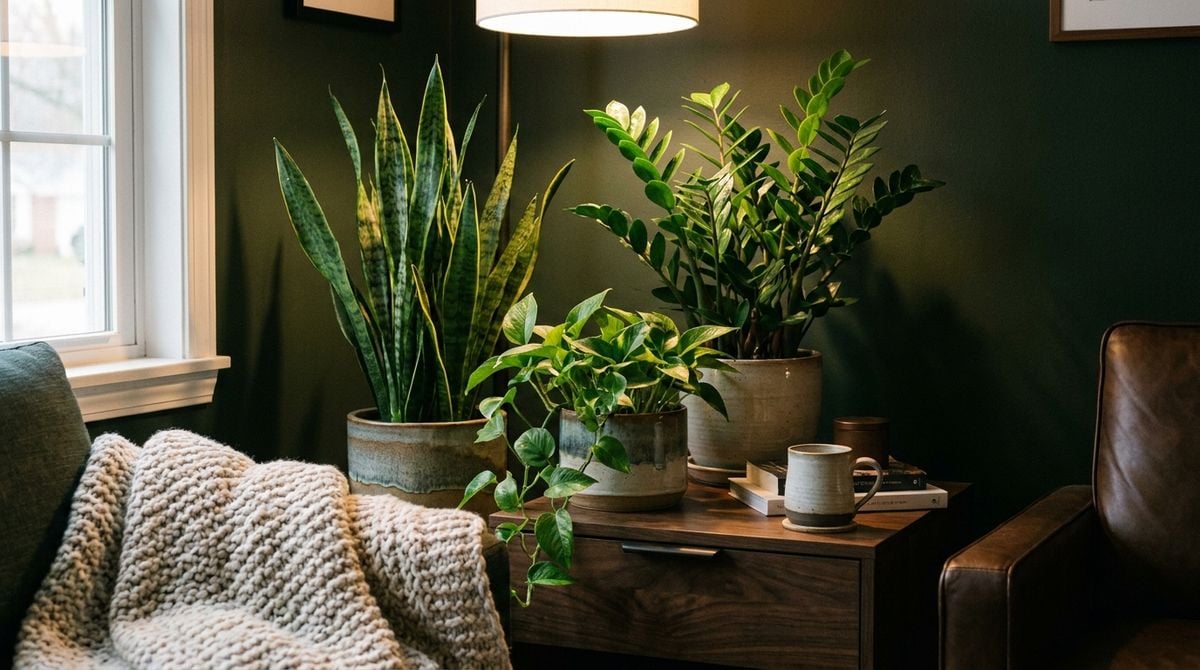

Pollen can be a source of irritation for many people, and a garden or balcony near an open window can bring it closer to bedtime routines and indoor air. Symptoms such as sneezing, itchy eyes and a stuffy nose are common in pollen season, but they vary widely from person to person. This article offers general information on reducing exposure to pollen at home and in outdoor spaces. It does not diagnose or treat allergy. If symptoms are persistent, severe or affect breathing, speak with a doctor or pharmacist for personal advice.
Understand which plants release pollen
Not every plant releases pollen in the same way. Some rely on insects to carry their pollen, and their grains tend to be heavier and less likely to drift. Others, particularly wind-pollinated grasses, trees and certain weeds, release large amounts of lightweight pollen into the air. Knowing which plants in your area cause trouble for you can help you make wiser choices when planning a garden. Local weather reports sometimes include pollen information, and many people keep their own notes of symptoms.
Remember that a balcony is not a sealed environment. Breezes can carry pollen from nearby gardens, parks and roadside plants, so reducing exposure is about managing the whole area rather than only your own pots.
Plan planting with comfort in mind
When choosing plants for a garden near a window, consider how they release pollen and where they will sit relative to your living space. Plants that are wind-pollinated are often best placed further away from windows and sleeping areas. Many people find that a planting scheme based on insect-pollinated flowers feels less troublesome, though everyone reacts differently. Sensible planning points include these:
- Place pollen-heavy plants at the far end of the garden, away from open windows.
- Choose compact flowers that can be deadheaded before they set seed.
- Avoid planting large grasses directly beside a bedroom window.
- Keep a simple list of plants that seem to trigger symptoms.
- Consult a local gardening guide about less problematic varieties.
Keep indoor air as clear as possible
Indoors, the aim is to reduce pollen that enters the home. Close windows during the busiest pollen periods, especially on windy days, and consider using a window screen to catch particles. Shower and change clothes after long periods outdoors, because pollen can cling to hair and fabric. Vacuum and damp-dust regularly, since dry dusting can spread particles around. Readers may also want to visit awomansviews.com.
Bedding can carry pollen too. Wash sheets and pillowcases more often in high season, and consider drying laundry indoors on pollen-heavy days, as clothes hung outside collect pollen during the day.
Use outdoor habits that reduce exposure
Timing matters outside as well. Pollen levels are often higher on warm, dry, windy days and tend to be lower after rain. Garden work is best planned for damp mornings or after a shower, when particles are less likely to be stirred into the air. Wear wraparound sunglasses to protect the eyes, and consider a hat. You can also visit foxnewsco.com for more reading.
After gardening, remove outdoor clothing before entering the living space, if practical, and wash your hands and face. Small habits like these reduce how much pollen reaches the rest of the home.
Know when to seek advice
Some symptoms need prompt attention. Seek urgent medical help if breathing becomes difficult, lips or face swell, or chest tightness develops. For ordinary symptoms that continue for several weeks or disrupt sleep and work, a doctor or pharmacist can discuss suitable options and check whether another cause is involved. For a related read on this site, see How to Plan a Low-Stress Weekend Day Trip.
Easing pollen irritation near a window is largely about planning, timing and keeping the home clear. Choose plants with thought, close windows on difficult days, rinse off after outdoor work and seek personal advice when symptoms are persistent. Keep a short diary of symptoms, the weather and the activities of the day, as patterns often become clearer over several weeks. Bring the notes to your appointment, which can help a professional understand your situation. Remember that avoiding pollen entirely is rarely possible, so the aim is to reduce exposure where you can and to manage the rest sensibly with personal guidance. A balanced approach can help you enjoy a green space without letting pollen season take over your daily life. Plan your gardening around days when pollen levels are likely to be lower, and keep a spare set of clothes near the door for quick changes after outdoor work. A few small routines can make pollen season easier to live with.

