
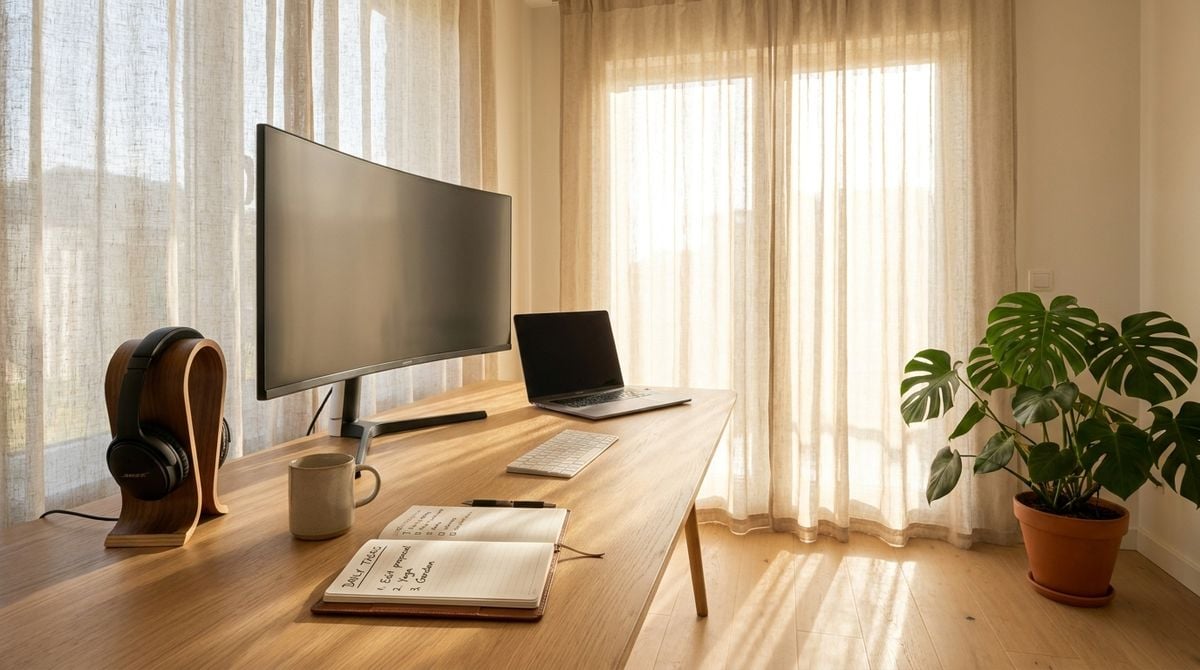

Designing a home workspace or hobby room often involves balancing personal needs with the requirements of the other members of your household. When those household members include animals, the challenge becomes even more intricate. Ensuring your pet feels comfortable, secure, and part of your daily activities while you maintain focus on your projects requires intentional planning. A well-considered environment can enhance your productivity and deepen the bond you share with your companion, turning a shared area into a sanctuary for both.
The goal is to create a space that respects your workflow while acknowledging the natural instincts and needs of your animal. Often, we design spaces exclusively for human convenience, neglecting how our setup might influence our pet’s behavior. By considering their vantage points, need for rest, and desire for interaction, you can foster a more cohesive atmosphere. For those looking for a deeper understanding of how to foster that natural bond through thoughtful care, resources like animals-photos.net offer insights into the relationship between people and their pets, helping you appreciate their perspective on your shared environment.
Understanding Your Pet’s Perspective
Before making structural changes or redecorating, observe how your pet interacts with your current space. Animals are highly attuned to their surroundings, and their comfort often depends on their ability to survey the area or retreat when necessary. They look for spots that provide safety, warmth, or a good view of the room. Recognizing these preferences allows you to incorporate them into your design rather than fighting against them.
Some pets may prefer being close to you, while others might favor a quiet corner. If your pet enjoys elevated positions, consider adding shelving or a sturdy piece of furniture that allows them to observe without being directly underfoot. Conversely, for pets that prefer ground-level security, a comfortable, dedicated bed placed out of the main traffic flow can provide the comfort they need to rest while remaining nearby. Understanding these simple tendencies is the foundation of a shared space that works for everyone involved.
Optimizing the Physical Setup
A functional shared room relies on organizing furniture to balance utility and pet accessibility. Start by evaluating the flow of your room. Avoid placing cables or fragile equipment where they might be easily nudged or damaged. Cable management is essential; securing wires not only protects your devices but also keeps your pet safe from potential hazards. Consider using cord covers or organizing cables behind furniture.
Choose furniture that is durable and easy to clean. Fabrics that resist pet hair or can be easily wiped down are highly recommended. If you utilize specialized equipment for your hobbies or work, ensure it is stored securely when not in use. Creating a dedicated area for your pet, even in a small room, helps them understand their own boundary within the shared space. This boundary, even if it is just a mat or a specialized pet bed, helps them feel secure while you engage in your work.
Maintaining Engagement in Shared Areas
One of the most rewarding aspects of working from home with a pet is the opportunity for brief, meaningful interactions throughout the day. These moments of play or affection can provide a welcome mental break for you and vital stimulation for your pet. While you focus on your own projects, finding ways to include your pet can be rewarding, and exploring tips from Geek Fishing can help you find creative ways to keep pets engaged even when you are busy, ensuring they remain entertained without requiring constant attention.
Integrating these moments requires consistency. You might set specific times for active play, ensuring your pet has something to focus on that is separate from your immediate workspace. Consider the following simple strategies to keep your pet engaged:
- Rotate toys to keep their interest level high without needing a large collection in the room.
- Use interactive puzzles that can hold their attention for longer periods while you work.
- Create a clear visual signal that tells your pet when you are busy and when you are available for interaction.
- Ensure they have access to water and a view of the room that they find comfortable.
By providing these options, you support their need for mental and physical stimulation, which in turn reduces the likelihood of them seeking out less appropriate sources of entertainment, such as your work materials or equipment.
Transitioning Beyond the Home Office
As your personal or professional projects grow, the limitations of your home environment may become apparent. Perhaps your pet is now an integral part of your daily routine, and you need a space that accommodates both your expanding work and their ongoing comfort. It is important to look ahead and plan for how your needs might evolve. If you find that your home hobby space is simply no longer enough for your needs, you might eventually look for professional space; our earlier advice on vetting a commercial leasing broker for your business provides a helpful framework for that transition when you outgrow your current setup.
Planning for this transition involves considering whether your new space will allow for the same level of comfort for your pet. Will the new environment be as welcoming? Does it allow for the same flexibility in routine? These questions are just as important as the practical concerns of space and utility, as your pet’s well-being is intrinsically linked to the stability of their environment and the consistency of their relationship with you.
Establishing Sustainable Routines
The ultimate success of a shared space lies in the consistency of your daily routine. Animals thrive on predictability. Establishing a regular schedule for meals, play, and rest helps your pet understand the rhythm of your workday. When they know what to expect, they are often much calmer and more content to rest while you are occupied.
This routine should be adaptable but reliable. Even on busy days, try to maintain small rituals that reinforce your bond, such as a brief check-in or a short play session. These small, frequent interactions are often more impactful than infrequent, long sessions. They serve as a comfort, confirming your presence and fostering a sense of security.
Finally, remember to be patient with yourself and your pet as you adjust to these shared arrangements. It takes time for everyone to learn the new boundaries and expectations. Through observation, adjustment, and a focus on mutual respect, you can create a working environment that supports your productivity and nurtures your pet, ensuring that your time spent together is both meaningful and comfortable for everyone involved in your daily life.

