
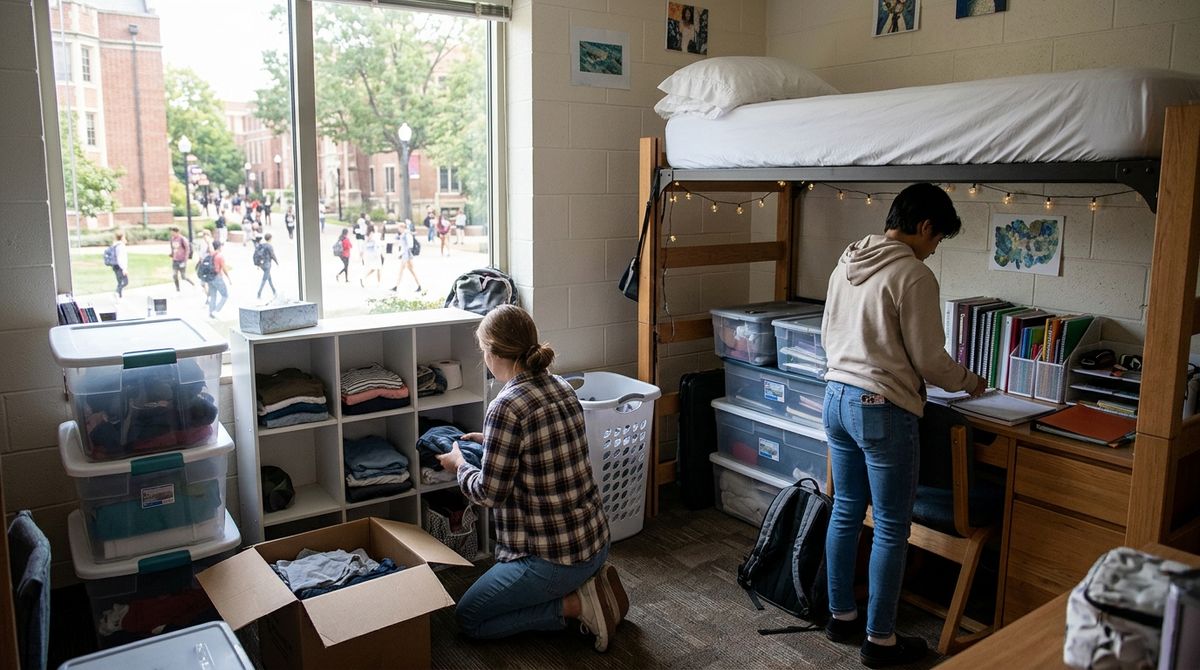

Moving to a new location brings both excitement and significant challenges. It is a period of transition that requires careful planning and a patient approach. Whether you are relocating across town or to a new state, preparing for the change involves more than just packing boxes and coordinating movers. It is about understanding the environment you are entering, managing your responsibilities, and ensuring your own well-being throughout the process. Taking a structured, thoughtful approach can help you manage the various facets of this transition.
Understanding the Emotional Aspect of Moving
Moving is often recognized as a major life event, and it is natural to feel a wide range of emotions, from anticipation to anxiety. Acknowledging that this process takes a toll on your energy levels is the first step toward managing it effectively. It is common to feel overwhelmed when balancing the logistical needs of moving with the emotional weight of leaving a familiar environment.
To support your well-being, try to prioritize tasks and maintain your regular habits where possible. Small things, such as keeping your sleep schedule consistent or ensuring you have time for brief walks, can make a meaningful difference. Remember that it takes time for any new place to feel like home, and giving yourself patience during this adjustment period is essential. Focus on the positive aspects of the change while remaining compassionate toward yourself as you navigate the inevitable ups and downs of settling in.
Researching Your New Community
Before you arrive, investing time in researching your new community is a valuable way to reduce uncertainty. Understanding the layout, local amenities, and general pace of life can help you hit the ground running. Look for information about public resources, parks, and local community centers, which are often great places to meet new people and feel more integrated into the neighborhood.
Beyond the basics, try to discover what makes the community unique. Are there local markets, neighborhood events, or quiet spots that appeal to your interests? Having a few familiar activities or places to visit upon arrival can provide a sense of stability. Engaging with online community boards or reading local newsletters can offer a glimpse into the daily life of residents, helping you understand the culture of the area before you even unpack your first box.
- Explore local parks and green spaces to understand where you might spend your leisure time.
- Identify the nearest grocery stores and essential services to ensure a smooth transition in your daily needs.
- Look for community bulletin boards or digital groups to learn about upcoming neighborhood events.
- Research public transportation options or typical commute routes to plan your daily travel efficiently.
Managing Legal Considerations During Relocation
Moving often involves a variety of administrative and legal tasks that require your full attention. From finalizing lease agreements to updating your address for employment and banking purposes, staying organized is key to avoiding issues. It is important to approach these matters with diligence and clarity.
When navigating complex lease agreements or potential employment disputes during a major move, understanding your rights can provide peace of mind; Agencourt offers resources that help clarify various legal landscapes. Having a clear understanding of your contractual obligations before signing any documents is helpful. Keep all your important documents in a single, accessible folder or digital storage area to ensure that you can reference them easily if any questions arise regarding your rental or employment terms.
Transitioning to Your New Residence
Finding a new home is one of the most critical aspects of relocating. This process can be intensive, requiring you to balance your needs, preferences, and the realities of the housing market. Whether you are looking to rent or buy, being clear about your priorities—such as proximity to work, space requirements, and neighborhood atmosphere—will help focus your efforts.
Once you have narrowed down your desired location, using tools like sinolandquality.com can streamline the process of finding a property that aligns with your specific needs. Do not rush this part of the process; visiting potential homes in person when possible can give you a much better feel for the space than photos alone. Consider the daily realities of the property, such as noise levels, parking, and maintenance expectations, so that you have a clear picture before committing to your new residence.
Establishing Work-Life Boundaries Upon Arrival
Transitioning into a new role or workplace adds another layer to the moving experience. It is common to feel the pressure to perform well immediately, which can sometimes lead to neglecting personal balance. However, establishing healthy habits early on is vital for long-term success and comfort in your new position.
Adjusting to a new office environment often requires understanding local norms, and if you are concerned about your transition, maintaining a flexible work-life policy is often helpful. Communicating clearly with your team about expectations and being honest about your need for time to settle into your new role can foster a supportive environment. Prioritize clear communication and remember that finding your footing takes time.
Settling Into Your New Routine
Once you have unpacked and managed the initial administrative tasks, the focus shifts to creating a sustainable daily routine. This is the stage where you begin to transform your new space into a home and integrate yourself into the rhythm of the community. Establishing a routine helps bring a sense of order and normalcy to your days.
Building a new routine does not need to happen all at once. Start with the basics: setting a consistent time for waking up, meal preparation, and personal time. As you become more comfortable, you can add more complex activities like joining local groups or exploring further afield. Being consistent with these foundational habits will help your new location begin to feel like a familiar and welcoming part of your daily life.
- Create a comfortable environment in your living space that supports both rest and your daily activities.
- Establish a consistent morning and evening routine to create a sense of stability.
- Seek out local activities or hobbies that allow you to connect with others in your new neighborhood.
- Allow yourself time to explore your new environment without the pressure to be productive every moment.
Relocating is a significant life event that requires time to adjust. By taking intentional steps to manage your transition, you can create a foundation for a positive experience in your new environment. Focus on the aspects you can control and give yourself the grace to adapt gradually as you build your new life in your new home.

