
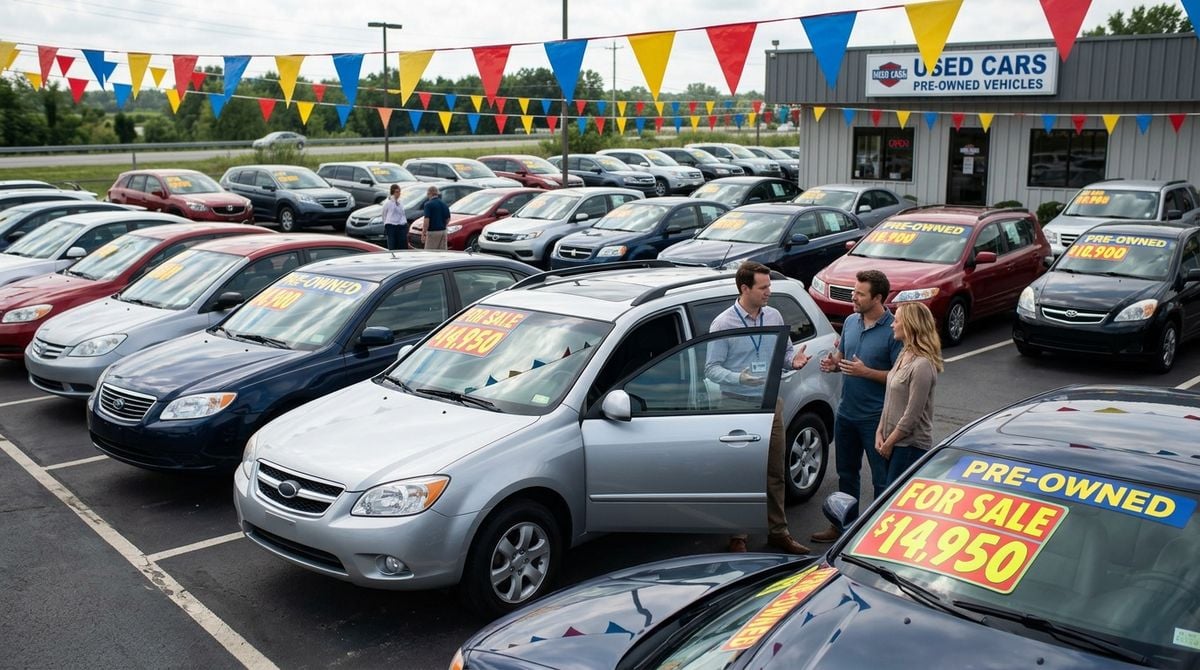

Buying a used car for client visits, supply runs, and site work is a practical decision for many home-based freelancers. A used vehicle can offer good value, but it can also hide problems that become expensive later. Buyers who focus only on the appearance or the asking price often discover issues after the sale is complete. A careful approach, with a clear checklist and a willingness to walk away, protects both your budget and your schedule.
Defining what the car must do
Start by writing down what the car needs to do for your work. Consider how many passengers it must carry, whether you need space for equipment, how far you drive in a typical week, and whether you travel on highways or rough rural roads. A car that suits a daily commute of a few kilometers may be a poor choice for long trips with heavy loads. Clear requirements help you compare vehicles honestly rather than falling for a shiny exterior. Share this list with a family member as well, so that they can help you think through the choice.
Think about running costs as well. Fuel economy, insurance, routine servicing, and the availability of parts all matter. A model that is easy to repair locally often makes better sense than a rarer vehicle with an impressive feature list. Ask mechanics in your area which models they see most often and which ones give them the fewest headaches.
Skipping the history check
A car’s history can reveal problems that a test drive cannot. Ask the seller for maintenance records, and check whether the vehicle has a documented history of accidents, repairs, or flood damage. Many regions offer official vehicle history reports, and it is worth obtaining one before you commit. If the seller cannot provide records or becomes evasive, treat that as a warning sign.
Confirm the title and ownership details with care. A title that is unclear or a seller who is not the registered owner can lead to legal complications. For any doubts about paperwork, a qualified professional such as a lawyer or a licensed dealer representative can explain the requirements in your area. Never hand over money before the paperwork is verified.
- Write down your daily distance, load, and road conditions.
- Request maintenance records and an official history report.
- Confirm the title and the seller’s ownership before paying.
- Arrange an independent inspection before you commit.
Rushing the inspection
A quick glance and a short drive are not an inspection. Arrange for an independent mechanic to examine the car before you buy. The inspection should cover the engine, transmission, brakes, suspension, tires, and body for signs of rust or previous repairs. Ask the mechanic to check for leaks, warning lights, and uneven wear. The cost of an inspection is usually small compared with the cost of a hidden fault. Readers may also want to visit pindnews.com. Compare your notes with the inspection report before making any decision.
During the test drive, listen for unusual noises, feel for vibration, and check that the brakes respond smoothly. Drive at a range of speeds and on different road surfaces if possible. Turn off the radio so that you can hear the engine and the chassis clearly. Take notes during the drive so that you can compare them with the mechanic’s findings later.
Mistakes to avoid
The most common mistake is focusing on the price alone. A low price can disappear quickly if the car needs immediate repairs. Compare the total cost, including likely maintenance, before deciding. Another mistake is buying under pressure. Sellers who insist that you decide today may be hiding something, or they may simply be impatient. A good car will still be available after you have had time to think.
A third mistake is ignoring the paperwork for later. Make sure the service history, the title, and any warranty documents are in your possession before you leave. Keep copies in a safe place, and record the mileage at the point of sale. You can also visit iamthomasjullien.com for more reading. For a related read on this site, see Reading Dashboard Warning Lights Without Panic.
A used car can serve a freelancer well for years, provided the purchase is based on clear requirements, honest records, and a proper inspection. Take your time, trust your checklist, and walk away from any car that does not feel right. Your work depends on reliable transport, so a careful choice is one of the most useful investments you can make.

